Why The Way You Build Matters
A Remodel Should Feel Guided, Not Uncertain
A home remodel is often imagined as a transformation revealed at the end: a brighter kitchen, a more gracious bathroom, rooms that finally fit the way life is lived. But the experience of getting there matters just as much as the finished space. At Watermark, we believe a successful project begins long before construction—with the right questions, thoughtful planning, transparent financial guidance, and a team that stays beside you when the unexpected appears. The result is more than a beautiful home. It is the confidence of knowing every decision has a place, every detail has been considered, and your home is being shaped around the way you truly live.

Most projects don’t fail because of one bad decision. They drift because too many decisions were never fully made.
Most remodeling uncertainty does not arrive with a dramatic mistake. It begins quietly and starts to drift.
It can start with a floor plan that looks complete but leaves a few important decisions unresolved. It can be a conversation about cost that feels broad rather than specific. Or it may be the first time someone says, “We’ll need to decide that later,” when later is suddenly much closer than expected.
At first, those moments can feel manageable. There is still excitement in the plans, possibility in every material selection, and the anticipation of a home becoming something better. But when too many decisions are left to the construction phase, the homeowner can find themselves responding to the project rather than confidently directing it.

Permitted plans are essential. They establish the framework for a project and allow construction to move forward. Yet approval-ready plans do not always contain every answer required to build a home with intention. They may not fully define the hundreds of practical, visual, and functional decisions that determine how the finished space will feel—from transitions between old and new flooring to the precise relationship between cabinetry, lighting, appliances, and daily routines.
A contractor can only price what is shown. A homeowner naturally assumes the home they imagined is included. The space between those two expectations is where projects can begin to drift.
Our process is designed to close that space before it becomes stressful. We slow down early enough to see what is unresolved, identify what still needs to be decided, and make sure the project is not merely ready to begin, but ready to hold together once construction is underway.

A Better Question Changes Everything
Carol came to us after years of planning her kitchen remodel. By most measures, she was ready. She had spent five or six years working through the design. Her plans were complete. She had begun speaking with contractors and was prepared to move into the next stage.
But something did not feel settled.
The contractors she met with were looking at the same plans, yet the conversations sounded different. Scopes varied. Assumptions varied. Pricing reflected different interpretations of what would actually be built. Nothing was necessarily wrong, but nothing felt fully clear, either.
As we began to walk through the project with her, we found that the uncertainty was not only about pricing or construction details. It was also about the heart of the design itself.
Carol liked the idea of a larger kitchen. But when we looked beyond the square footage and considered the way she moved through her home, entertained, connected with the backyard, and used the surrounding rooms, a more important question emerged:
What if the kitchen did not simply need to be bigger?
What if it needed to be somewhere else?
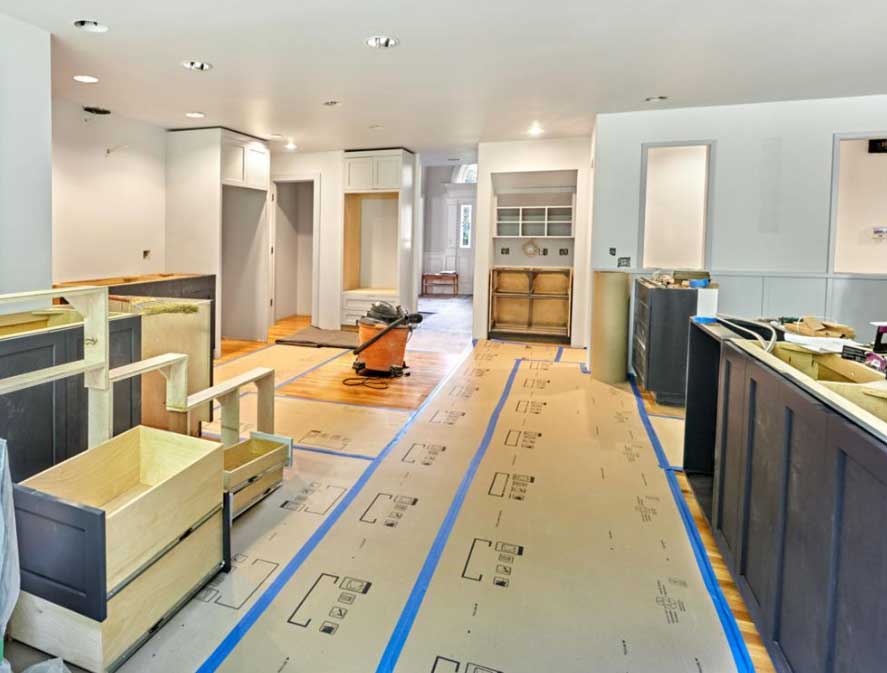
That pause changed the entire direction of the project.
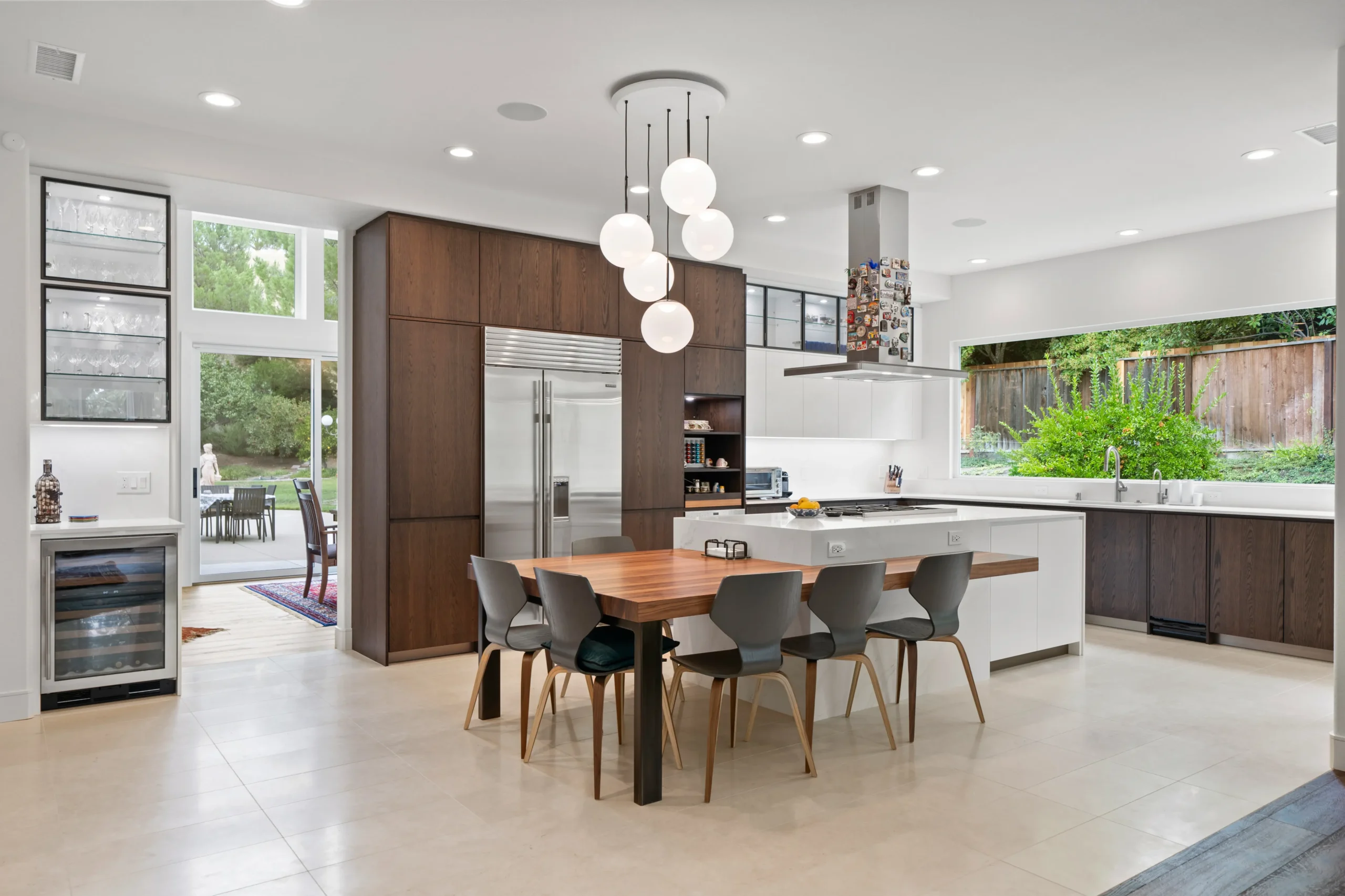
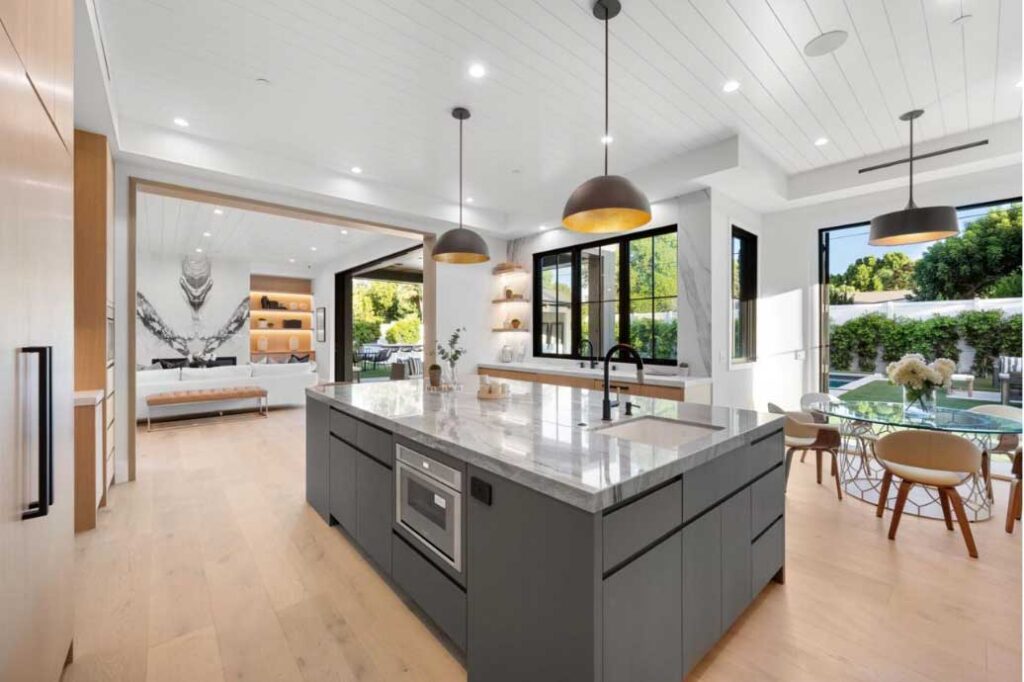
Rather than enlarging the existing kitchen within the same constraints, we reoriented the home around the backyard and placed the kitchen where it could naturally connect to a space that already supported the way Carol lived. The solution was not about adding more for the sake of more. It was about removing the daily friction that had made the original layout feel limiting.
The new design gave the home a different rhythm. Movement felt more natural. The kitchen became connected rather than contained. What had once been a renovation idea became a home that made intuitive sense.
This is what thoughtful preconstruction can provide: not simply an answer to “What will this cost?” but the clarity to ask whether the project is solving the right problem in the first place.
“Change orders don’t create the problem. They reveal that the problem was already there.”
Built for Real Life and Real Surprises
Even the most carefully planned project will encounter the unexpected.
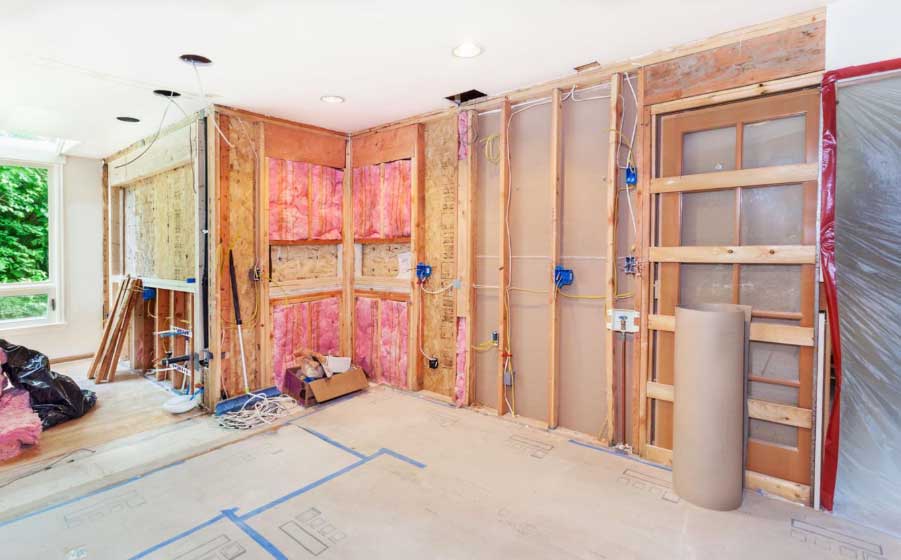
Even the most carefully planned project will encounter the unexpected. Construction has a way of revealing what walls have kept hidden for decades: aging plumbing, old electrical work, water intrusion, structural conditions, or the small realities of an existing home that no drawing can fully expose. The question is not whether a project will be tested. The question is whether it has been planned and managed well enough to respond without losing its footing.
During Carol’s construction, we discovered a water issue in her primary bathroom. It needed attention, and it could have become a frustrating disruption at a moment when the project was already in motion.
Instead, it became an opportunity.

Most projects don’t fail because of one bad decision. They drift because too many decisions were never fully made.
Because the project had been thoughtfully organized from the start—and because Carol understood where the work stood, what decisions were ahead, and how changes would be managed—she was able to make an informed choice. Rather than patching the issue and postponing the rest, she expanded the project to include a full primary bathroom remodel while the home was already under construction.
The project had enough clarity to adapt.
That is an important difference. When a remodel is already operating at the edge of uncertainty, every change can feel like a threat: another delay, another unclear cost, another decision made under pressure. But when the process is structured, visible, and grounded in communication, even an unforeseen condition can be evaluated calmly and handled with purpose.
Opportunities only feel like opportunities when there is room to make a good decision.

Confidence You Can See
For Carol, a CPA, financial clarity was not a secondary concern. It was central to feeling confident in the process.
A substantial remodel involves many moving parts, and homeowners deserve more than a final number at the beginning and a surprise at the end. They deserve to understand how the investment unfolds as work progresses: what has been completed, what is coming next, what changes mean, and where the project stands at every stage.
As Carol described it:

The mastery of the financial side of their business was nothing I had experienced before. Weekly meetings, progress reports and timely change orders. I paid weekly for the work performed which eased my mind. When you are spending a lot, paying for what you see happening is somehow more comforting.
That is the standard we aim for, not simply communicating when something changes, but creating a process in which communication is expected, regular, and useful.
Weekly meetings create space for decisions before they become urgent. Progress reports make the work visible, even when much of it is happening behind walls or beneath finished surfaces. Timely change orders connect a decision to its cost and impact while there is still room to choose deliberately.
There is a meaningful difference between knowing what a remodel costs and understanding how that investment is taking shape in your home.
When homeowners can see the work, understand the next steps, and receive clear information at the right time, they can stay connected to the project without having to carry the burden of managing it alone.

The Details That Make a Home Whole
Some of the most important decisions in a remodel are not the ones that announce themselves.
They are the quiet details: the way a floor transitions from one room to another, how cabinetry meets a wall, how light falls across a countertop in the afternoon, or whether a newly renovated space feels attached to the rest of the house—or as though it was added years later.
In Carol’s home, flooring became one of those essential decisions.
Rather than allowing the old and new areas to remain visually separated, we unified the flooring throughout. It was not necessarily the first detail someone would notice when walking in. But it changed how the entire home felt. The renovation stopped reading as a kitchen project and began to feel like the home had always been meant to live this way.
That kind of cohesion is the result of craftsmanship, but also of care. It comes from seeing the whole home rather than only the room being remodeled. It comes from recognizing that the details people may never consciously identify are often the ones they feel every day.
Carol put it simply:
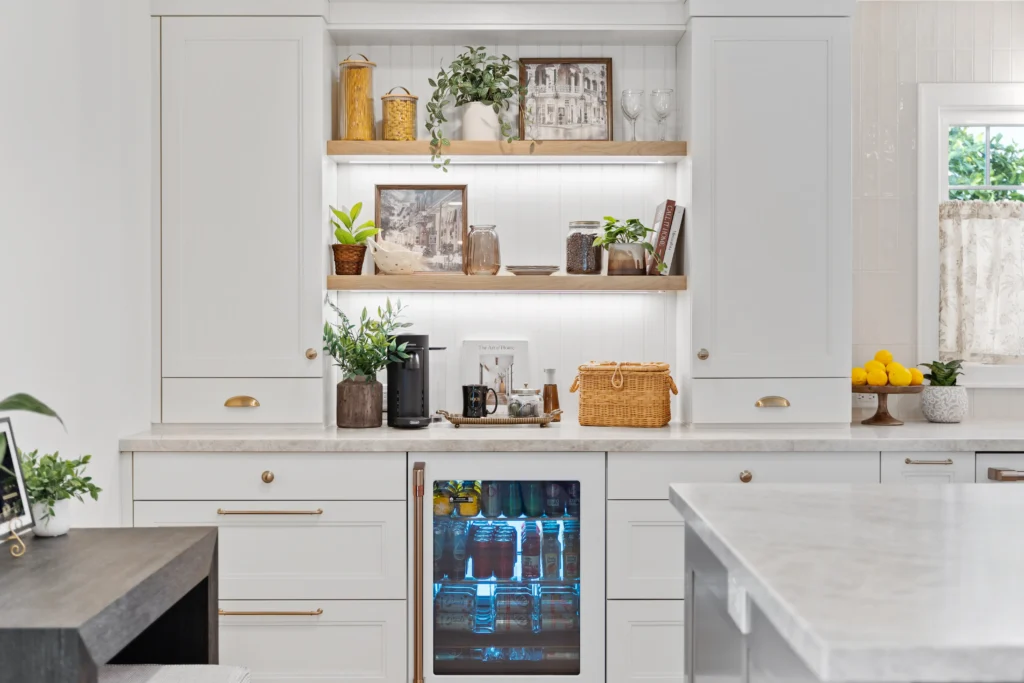
They are perfectionists both in their craft as well as the financial side of their business. The quality of their craftsmanship is noticeable and appreciated. I have worked with contractors who are good, but the product Watermark produces goes beyond the norm. Top quality.